The Sepia Flu Epidemic
Supplement to the newspaper O Século, published on 14 November 1923
The Sepia Flu Epidemic
(1920-1922)
First identified at the quay of Gaia in October 1920, the Sepia Flu (scientifically known as Phoboscopia Sepius) was not, despite its name, a common flu. The pathogen, a fungus present in the material of the transport crates, did not attack the lungs, but rather the colour-sensing cones in the retina of the human eye. This fungus took effect within 48 hours, and in that time the patient would lose the ability to see the blue and green spectrums, their vision becoming a world of brown and copper tones, giving everything a sepia-like hue and making direct sunlight unbearable, which would eventually lead to temporary blindness.
As the epidemic spread, and in order to keep the economy running, the Monarchy of the North enacted what is now known as the ‘Extended Hours’ measure, and the entire northern region began to live during day and night hours alike for a period of two years. As an example of the measures taken, shops and offices introduced shifts that began after sunset and, for added protection, the families of those affected covered their windows with velvet curtains.
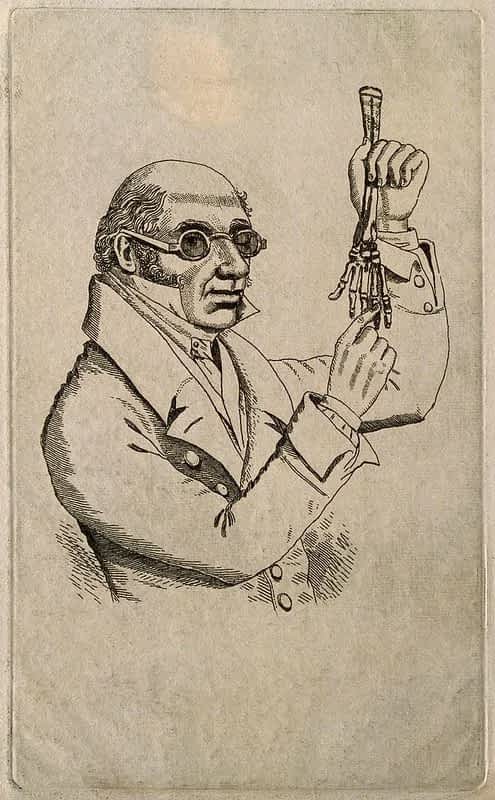
It was not until two years after the first case was discovered that a vaccine was developed which made a cure possible. However, over the years, a group of capitalist entrepreneurs discovered that, by applying a layer of port wine to the lenses of spectacles, the anthocyanins enabled the wearer to see comfortably during the day. And so began the marketing of the ‘Anthocyanin Glasses’ – a pair of glasses with a double lens, the space between which was filled with wine – which gradually helped to restore normality.
Comments